5 DIY Sewage and Water Cleanup Mistakes to Avoid
A small spill of clean water on tile is a reasonable DIY job. Sewage is a different situation. These are the mistakes that most often turn a manageable backup into a bigger problem.
1. Treating sewage like clean water
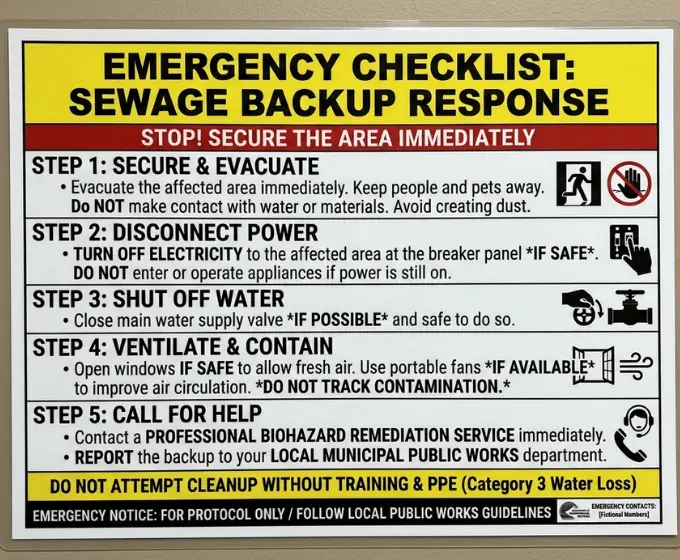
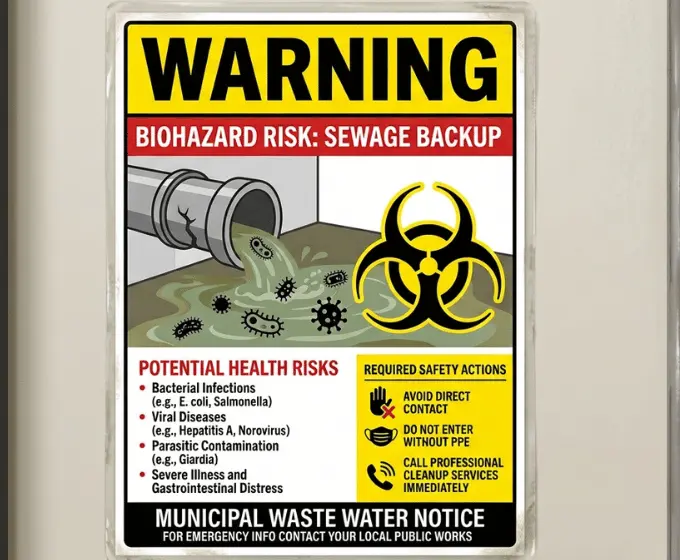
Sewage is Category 3 water. Mopping it up and wiping with household cleaner leaves contamination in grout, baseboards, and anything porous. Hard surfaces need a real disinfectant, and soaked carpet and drywall usually need to go.
2. Drying only what you can see
Water wicks up drywall and under flooring well past the visible wet line. If the inside of the wall or the subfloor stays damp, mold can follow within a day or two. The EPA’s mold guidance recommends drying wet materials within 24 to 48 hours. A moisture meter is the only reliable way to know when things are actually dry.
3. Using the wrong equipment
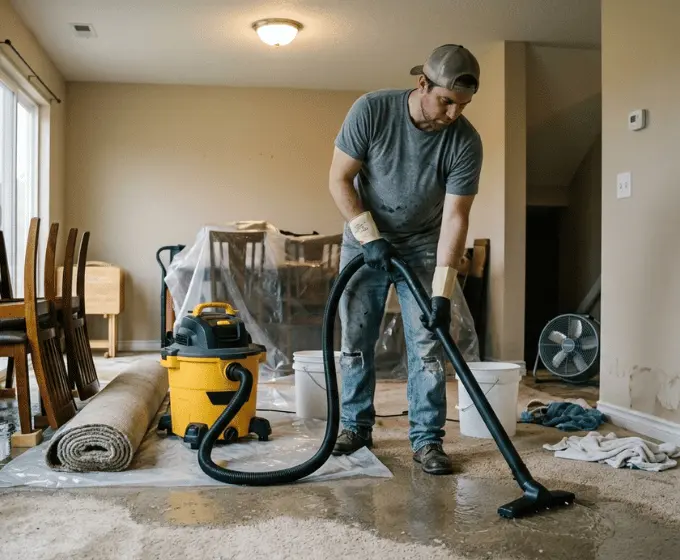
A household vacuum or shop vac used on sewage becomes contaminated and can blow germs into the air. Box fans pointed at sewage spread odor and droplets. Save the fans for after the contaminated material is gone.
4. Mixing cleaning products
Bleach combined with ammonia or acidic cleaners releases toxic gas. Use one product at a time, follow the label, and keep the room ventilated.
5. Throwing things away before documenting
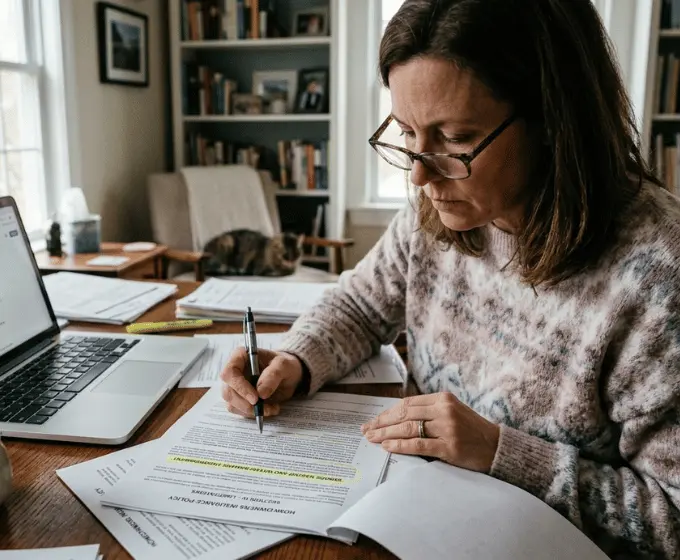
Insurers want to see the damage. Photograph and video everything, including the drain it came from, before anything goes to the curb. Write down what each item is and roughly when you bought it.
When to call for help
If sewage reached carpet, drywall, or more than one room, or if anyone in the home is at higher health risk, a professional cleanup is the safer choice. Our sewage cleanup in Garland page explains first steps and how our 24/7 line works, and our health risks guide covers what is in raw sewage.