7 Ways to Prevent Sewer Backups in Older Garland Homes
Garland grew fast in the decades after World War II, and a large share of its homes date from the 1950s through the 1980s. Houses from that era often have clay or cast iron sewer lines that are now old enough to crack, shift, and let roots in. You cannot stop a pipe from aging, but you can lower the odds of a backup.
Seven practical steps
- Keep grease out of drains. Let it cool, then put it in the trash. Grease hardens in the line and catches everything else.
- Flush only toilet paper. "Flushable" wipes, paper towels, and hygiene products do not break down like toilet paper and are a common cause of clogs.
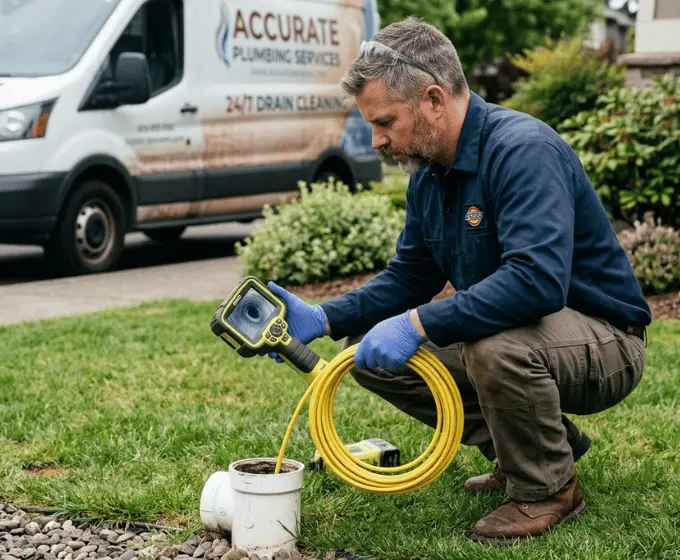
- Know where your cleanout is. It is usually a capped pipe in the yard near the house. A plumber can clear the main line through it, and it can relieve pressure during a backup.
- Watch for early signs. Gurgling toilets and several slow drains at once are warnings that the main line is partly blocked.
- Manage trees near the line. Roots seek out moisture at pipe joints. Ask a plumber where the line runs before planting large trees.
- Get a camera inspection. If you have had even one backup, or you are buying an older home, a camera inspection shows roots, cracks, and sags.
- Ask about a backwater valve. It lets wastewater flow out but closes if sewage tries to come back in. It requires a plumber and, in Garland, the right permit.
Why clay soil matters here
Much of the Dallas area sits on expansive clay that swells when wet and shrinks when dry. Over years, that movement can crack or sag older sewer pipe. A sag creates a low spot where waste collects, which leads to repeat clogs that a quick cable cleaning will not fix for long.
Who owns the line
Your private service line is generally your responsibility, while the City maintains the public main. Garland requires a permit for sewer line repairs; see the City of Garland sewer repairs page. If a backup does happen, our guide to sewage cleanup in Garland covers first steps and who to call.